As someone who uses their iPad for everything from sketching to taking notes, I'm always looking for ways to improve my experience. I've heard a lot about paperlike screen protectors and how they can make writing and drawing on an iPad feel more natural. I decided to dive in and test a few out, and I'm excited to share my experiences – the good, the bad, and the slightly annoying.
Initially, I couldn't imagine leaving my iPad screen unprotected. The thought of scratches was terrifying! So, a screen protector seemed like the obvious solution. I started by researching paperlike options, hoping to replicate the feel of pen on paper. I wanted that tactile feedback, especially for longer writing sessions.
I quickly realized there's a whole world of paperlike screen protectors out there. Some are expensive, some are cheap, and some promise the moon. Navigating the options was a bit overwhelming, to say the least. I tried a couple of different brands, including the well-known "Paperlike" brand and some cheaper alternatives from Amazon.
One of the first things I noticed was the impact on image quality. My iPad's beautiful, crisp display suddenly looked... different. The sharpness was definitely reduced, and it felt like there was a slight filter over the screen. For everyday browsing and watching videos, this wasn't ideal. I can understand why some people would find the loss in image sharpness unacceptable. I almost gave up on paperlike screen protectors at this point.
Then there's the Apple Pencil. I quickly discovered that using a paperlike screen protector can be tough on the pencil tips. I know someone who's an artist and uses their iPad Pro extensively. They added a paper-like protector, but it wore out three pencil tips! They found that to be quite annoying, and ultimately removed the protector and went back to the bare screen.
However, I was determined to find a solution that worked for me. I started experimenting with different brands and application techniques. I also realized that the right accessories can make a big difference. For example, if I'm spending long hours working on my iPad, especially in front of a bright screen, my eyes start to feel strained. That's why I decided to invest in a pair of blue light blocking glasses. I found a great pair at Mozaer Store and they've really helped reduce eye fatigue during those long work sessions.
After trying a few different approaches, here's what I found worked best for me:
I also noticed that a clear glass screen protector offered excellent picture clarity, but I found it difficult to prevent the Apple Pencil from skidding across the surface. The learning curve was a bit too steep for me. It just didn't feel natural.
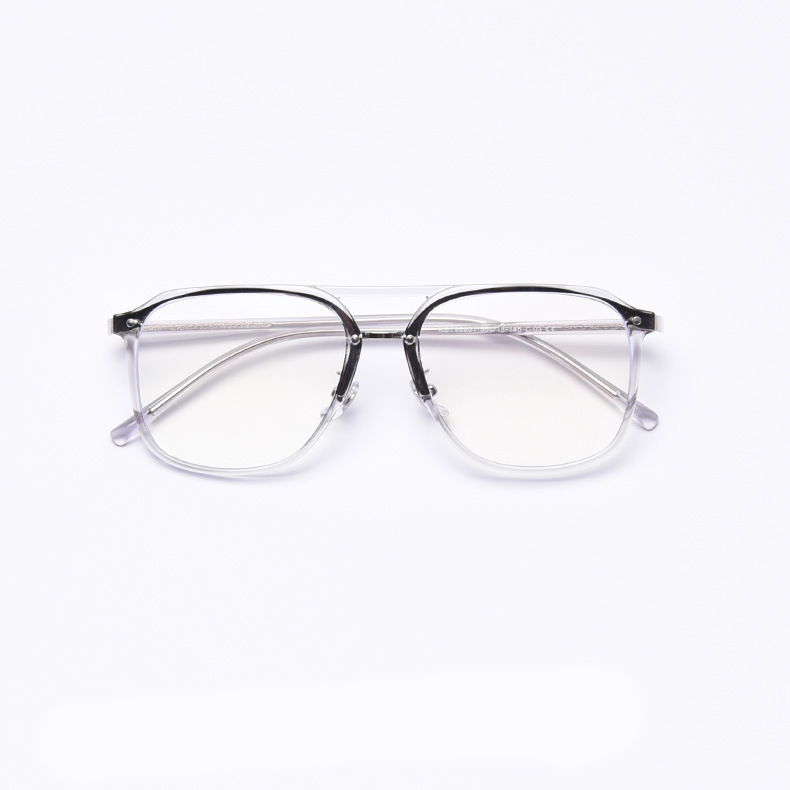
Speaking of long work sessions, I recently purchased the P49357 TR90 Square Photochromic Reading Glasses Frames from Mozaer. I was looking for something stylish and comfortable to wear while working on my iPad. They're lightweight and I barely notice I'm wearing them. The photochromic lenses are a bonus, automatically adjusting to changing light conditions. They’ve been a game changer for reducing eye strain during long hours of digital work. They aren't just for reading, they are great for computer work as well. I highly recommend them if you're looking for a way to protect your eyes from blue light and reduce eye fatigue. I can customize the prescription too, which is great.
Here's a quick breakdown of the pros and cons based on my experience: